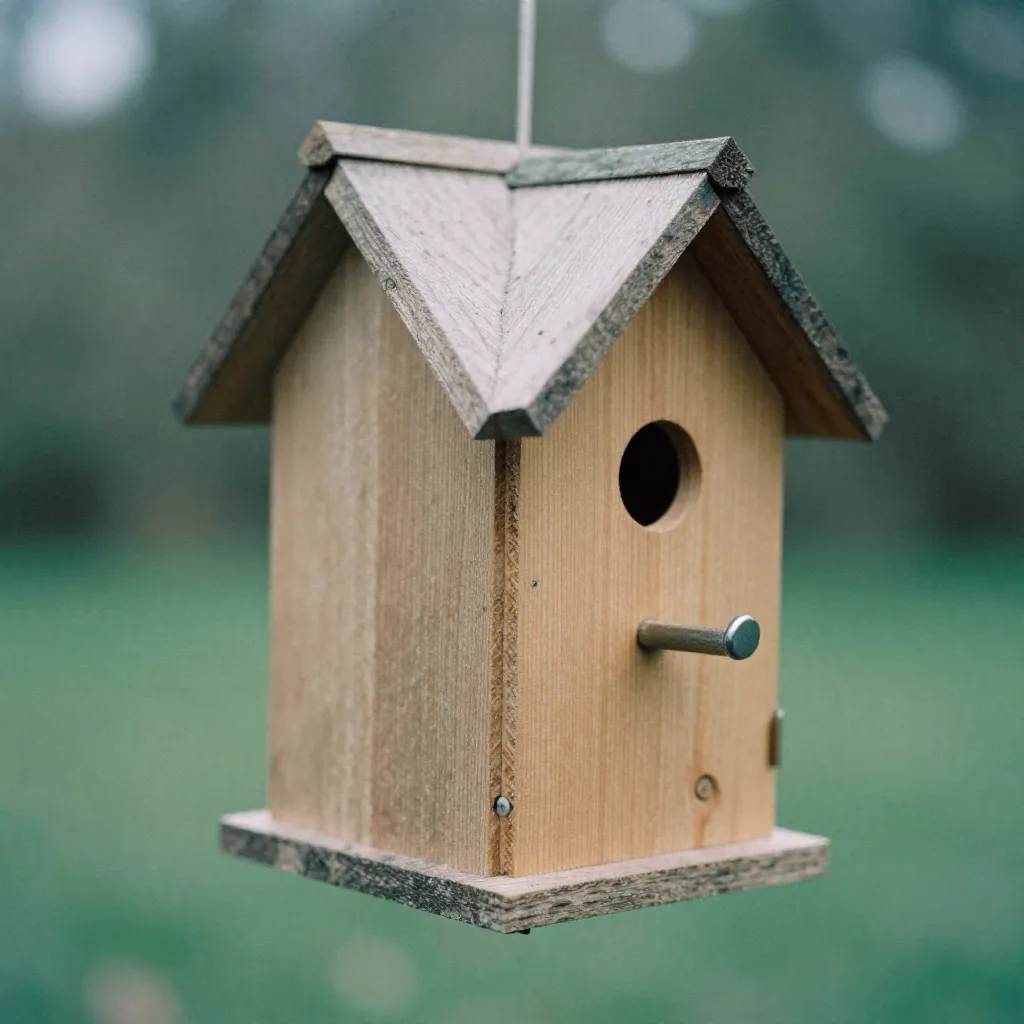
Design Parameters
Each structure is calibrated to specific species requirements including dimensions, entrance specifications, and internal configuration
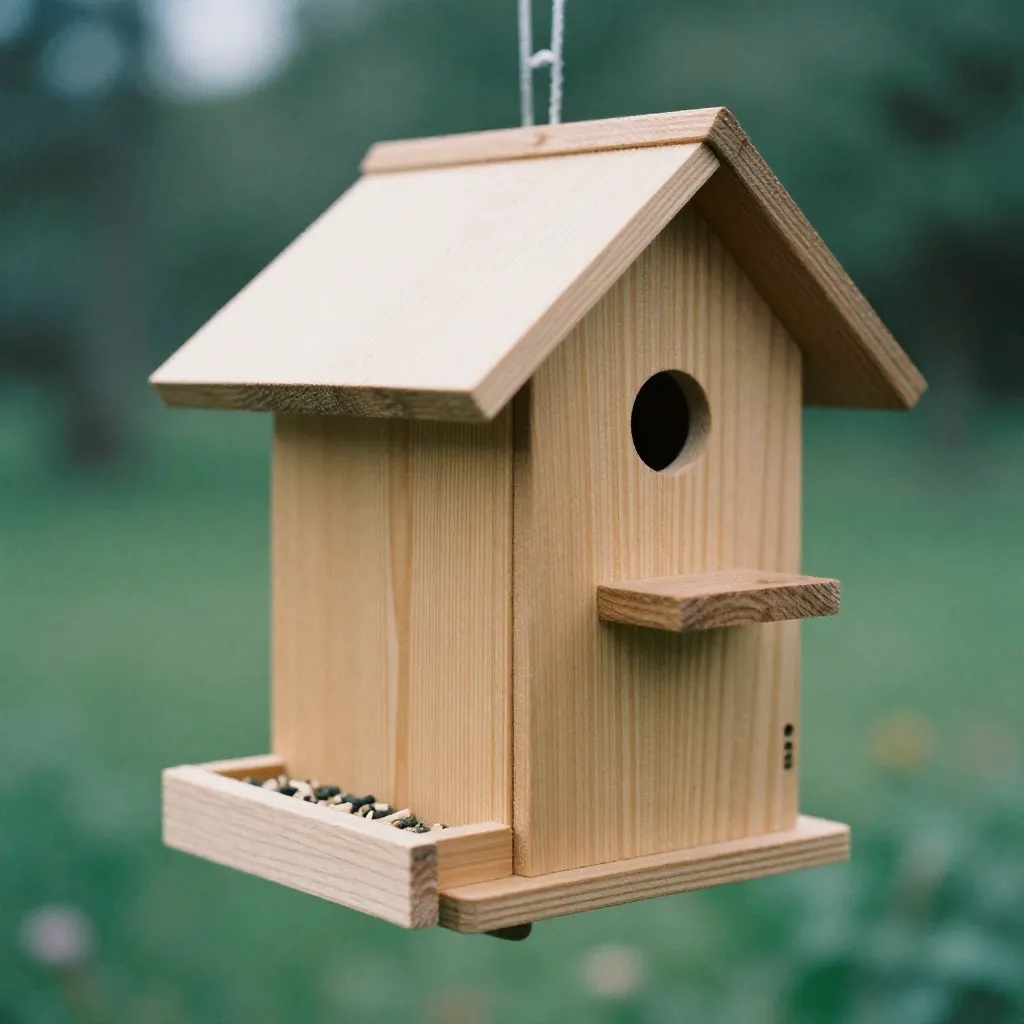
Entrance Dimensions
Entrance diameter and height are calculated based on species size and predator protection requirements. Measurements are precise to prevent access by larger species while accommodating target inhabitants.
Standard Range: 25-45mm diameter
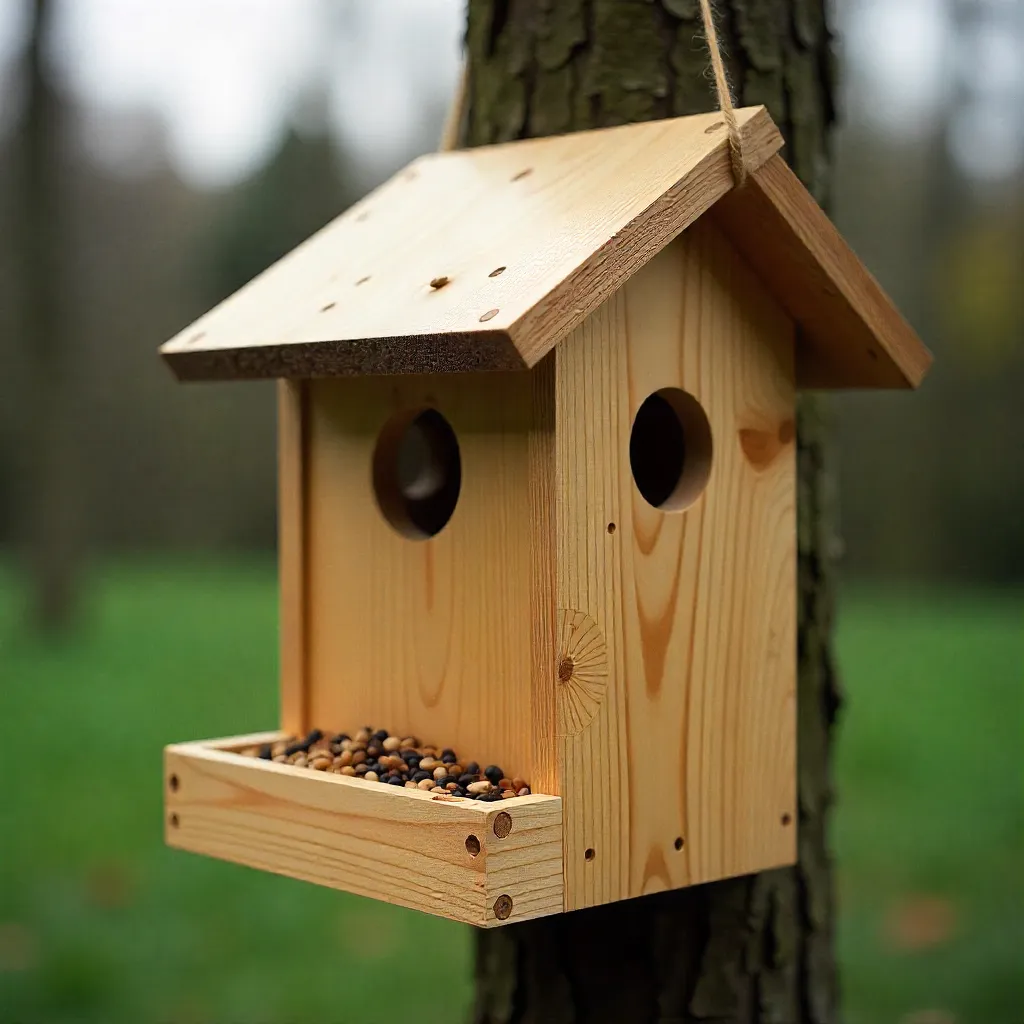
Internal Volume
Chamber dimensions accommodate nesting materials and provide adequate space for brood development. Volume calculations consider clutch size and growth requirements.
Volume Range: 0.015-0.045 m³
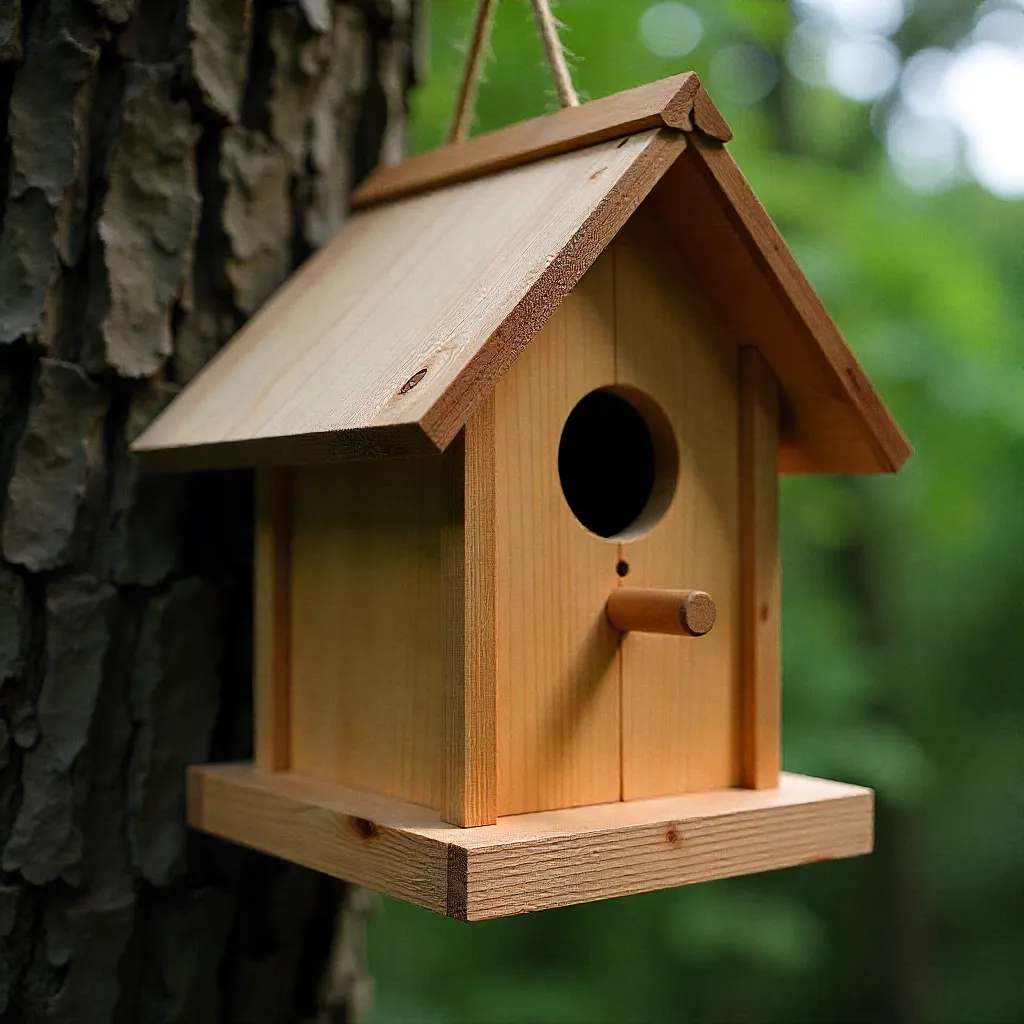
Mounting Height
Installation height recommendations are based on species nesting preferences and predator avoidance behaviors. Height specifications vary by species and local conditions.
Height Range: 1.5-4.5 meters
Structural Blueprints
Detailed technical documentation for each habitat design
Ventilation Systems
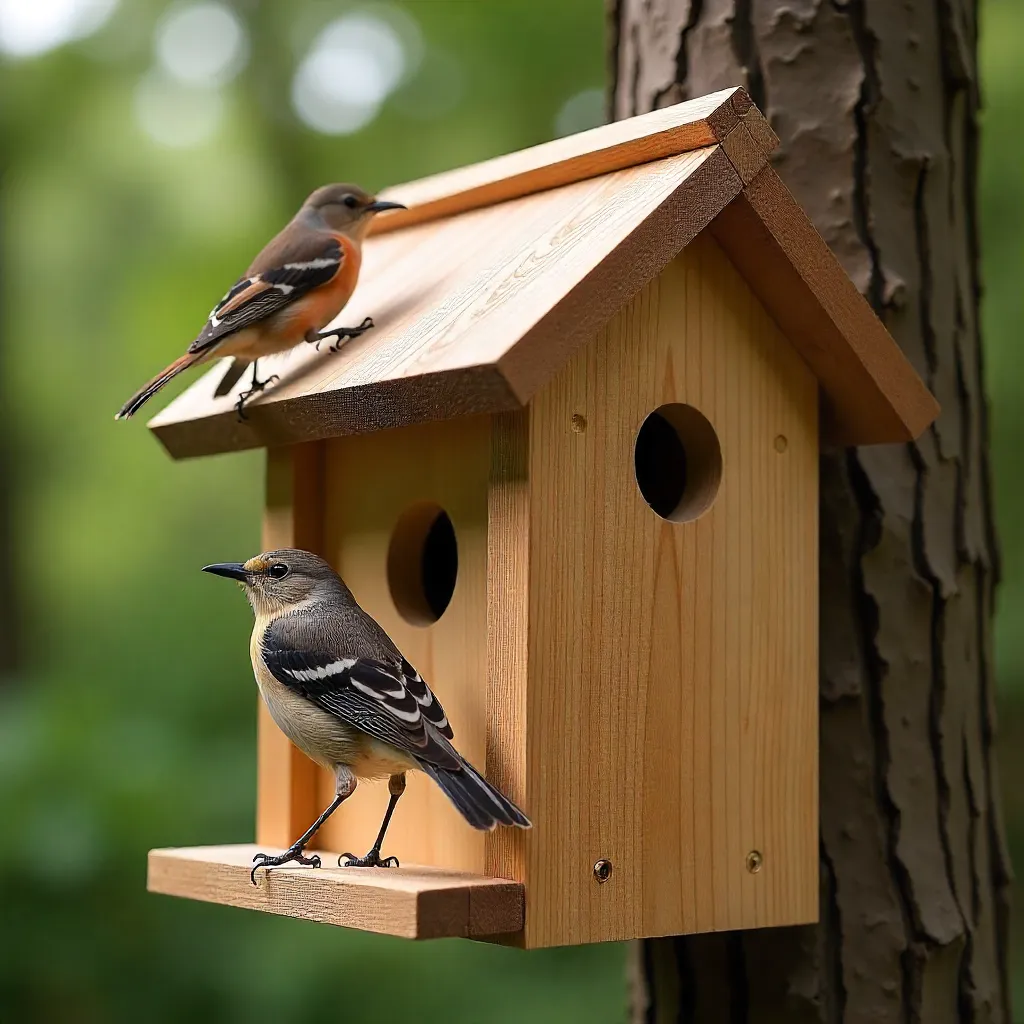
Airflow channels are positioned to maintain optimal temperature and humidity levels. Ventilation openings are sized to prevent water ingress while allowing adequate air exchange.
Design specifications include placement coordinates, opening dimensions, and airflow rate calculations. These parameters ensure consistent environmental conditions throughout the nesting season.
Airflow Rate: 0.5-2.0 m³/hour
Material Specifications
Component materials and construction standards
Wall Thickness
Wall dimensions provide insulation and structural support. Thickness varies by component location and material type to optimize thermal performance.
Thickness: 15-25mm
Drainage Configuration
Drainage systems prevent water accumulation while maintaining structural integrity. Channel placement and sizing follow calculated flow rates.
Drainage Capacity: 5-15 L/hour
Thermal Insulation
Insulation properties are designed to maintain stable internal temperatures. Material selection balances thermal performance with ventilation requirements.
R-Value: 1.5-3.0
Installation Guidelines
Recommended placement and mounting procedures
Orientation Requirements
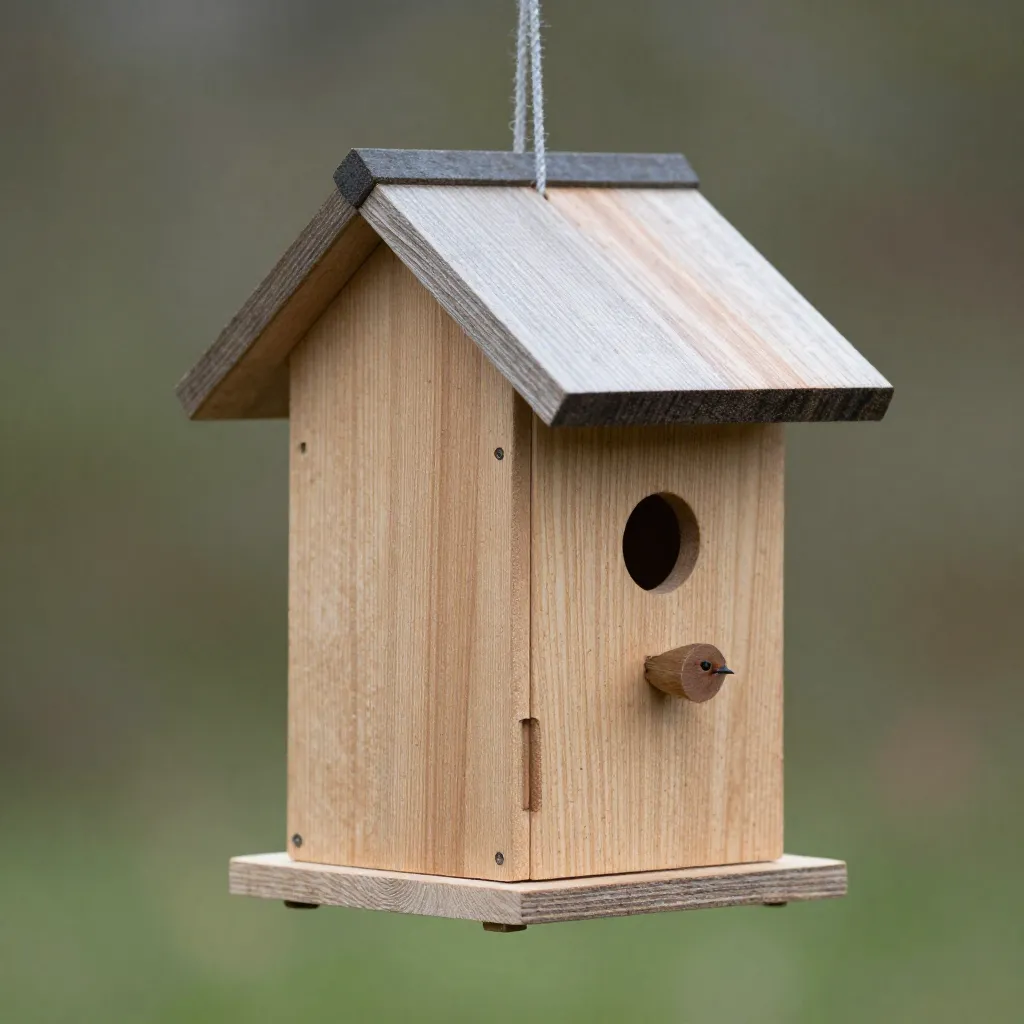
Structures should face away from prevailing winds and direct afternoon sun. Orientation recommendations vary by geographic location and local climate patterns.
Mounting hardware specifications ensure secure attachment while allowing for seasonal maintenance access. Hardware selection considers material compatibility and load requirements.
View Placement Guide