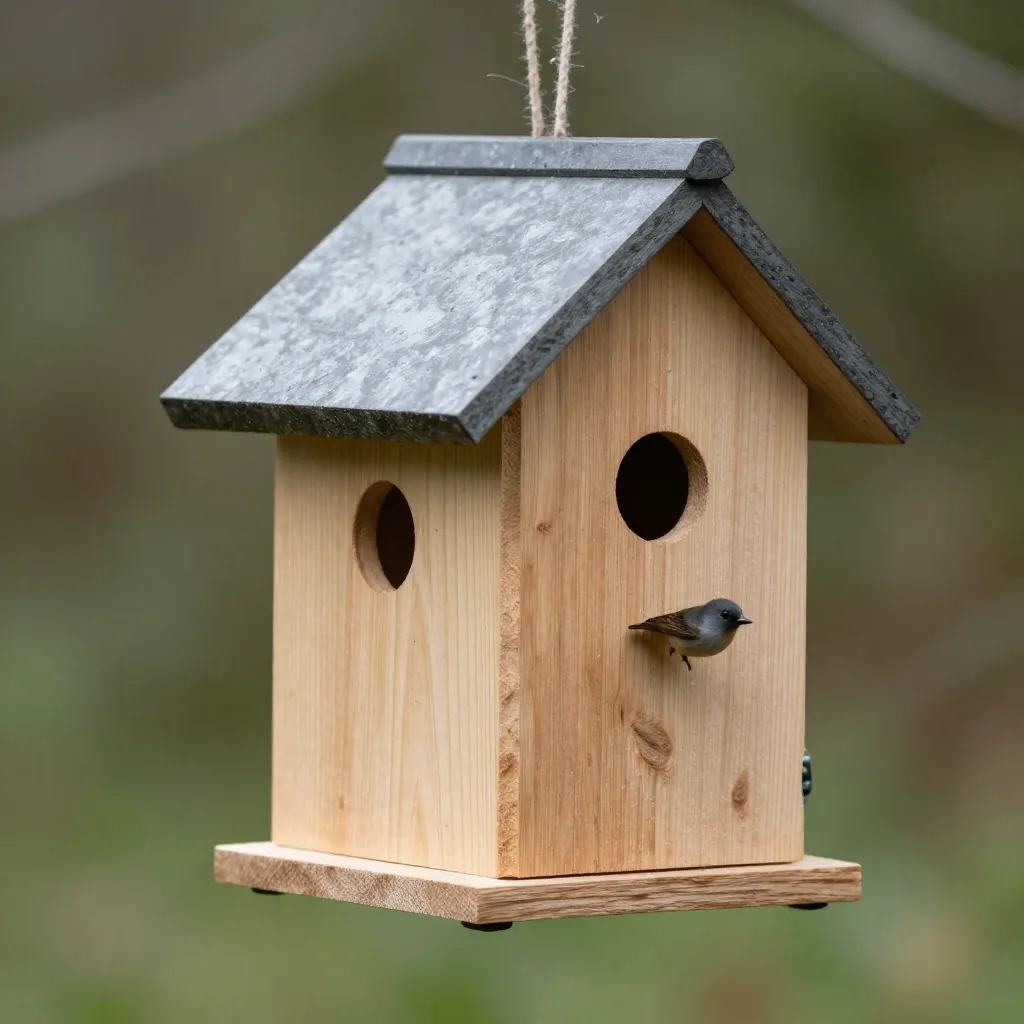
Design Philosophy
Our work is grounded in understanding natural systems and applying that knowledge to create functional habitats
Research-Based Development
Every design begins with comprehensive research into species-specific behaviors and environmental requirements. We study how different avian species interact with their natural habitats and translate these observations into practical design elements.
Our team collaborates with field researchers and ornithologists to ensure that each structure meets the actual needs of target species. This collaborative approach helps bridge the gap between scientific understanding and practical application.
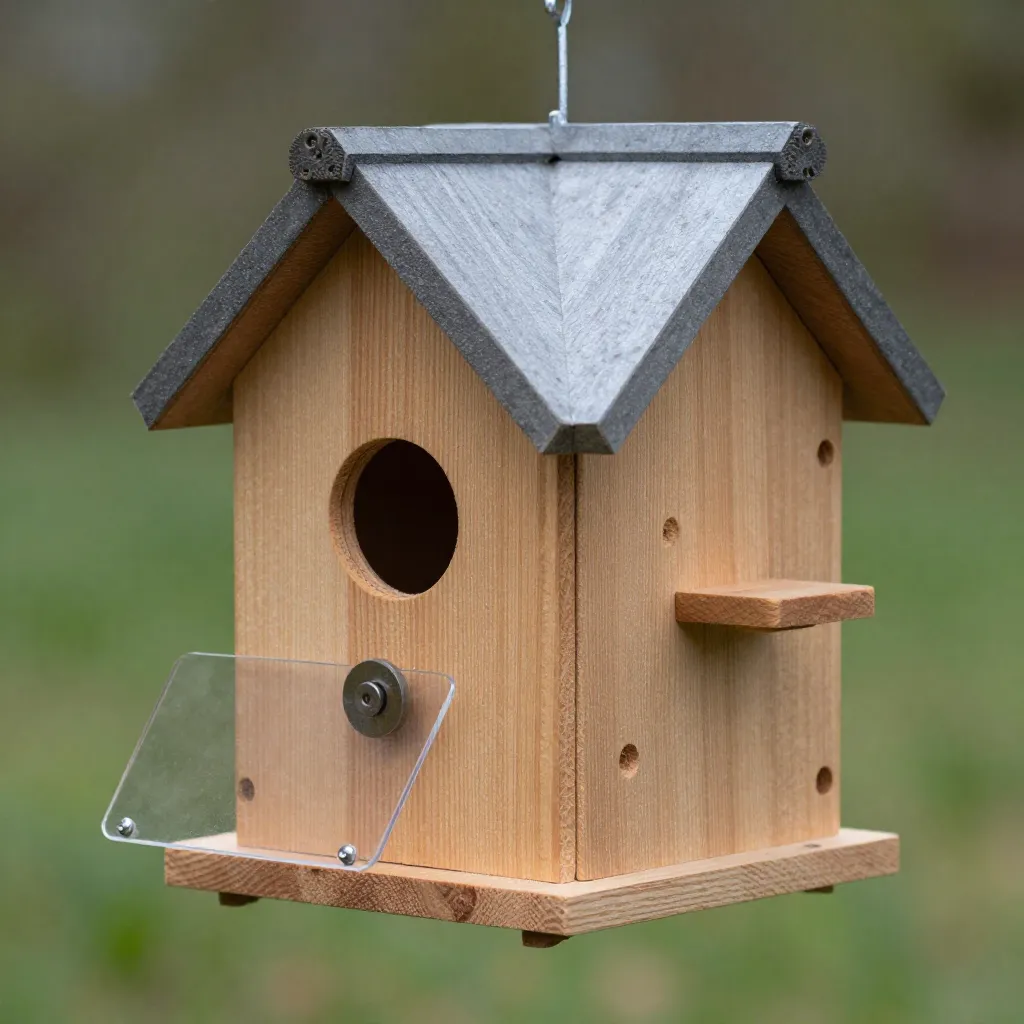
Material Considerations
Sustainable materials selected for durability and environmental compatibility
Durability Testing
All materials undergo rigorous testing for weather resistance, structural integrity, and longevity. We evaluate performance under various environmental conditions to ensure reliability.
Environmental Impact
Material selection prioritizes sustainability and minimal environmental impact. We consider the full lifecycle of each component, from production to eventual disposal or recycling.
Performance Standards
Each design meets specific performance criteria related to insulation, ventilation, and structural stability. These standards ensure optimal conditions for habitat inhabitants.
Collaboration & Innovation
Working with researchers and field experts to advance habitat design
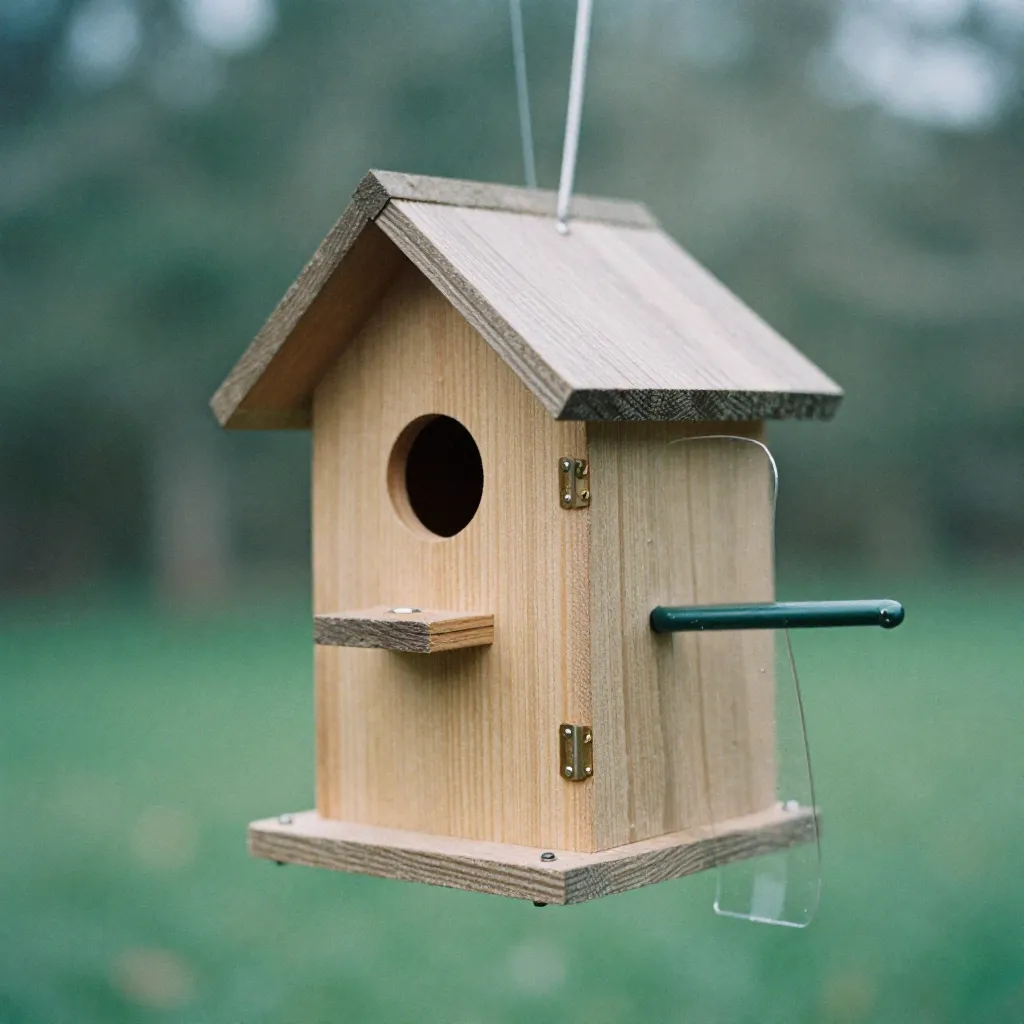
Field Research Partnerships
We maintain relationships with research institutions and field observation teams. These partnerships provide valuable data about habitat usage patterns and species adaptation behaviors.
Information gathered from these collaborations informs our design process and helps us refine existing structures. Continuous improvement is a core principle of our development approach.
Get in TouchCommitment to Quality
Rigorous standards applied throughout the design and production process
Design Review
Each design undergoes multiple review stages to ensure it meets technical specifications and functional requirements. Peer review and expert consultation are standard practice.
Prototype Testing
Prototypes are tested under controlled conditions and in field environments. This testing phase identifies potential issues before final production begins.
Documentation
Comprehensive documentation accompanies each design, including technical specifications, installation guidelines, and maintenance recommendations.