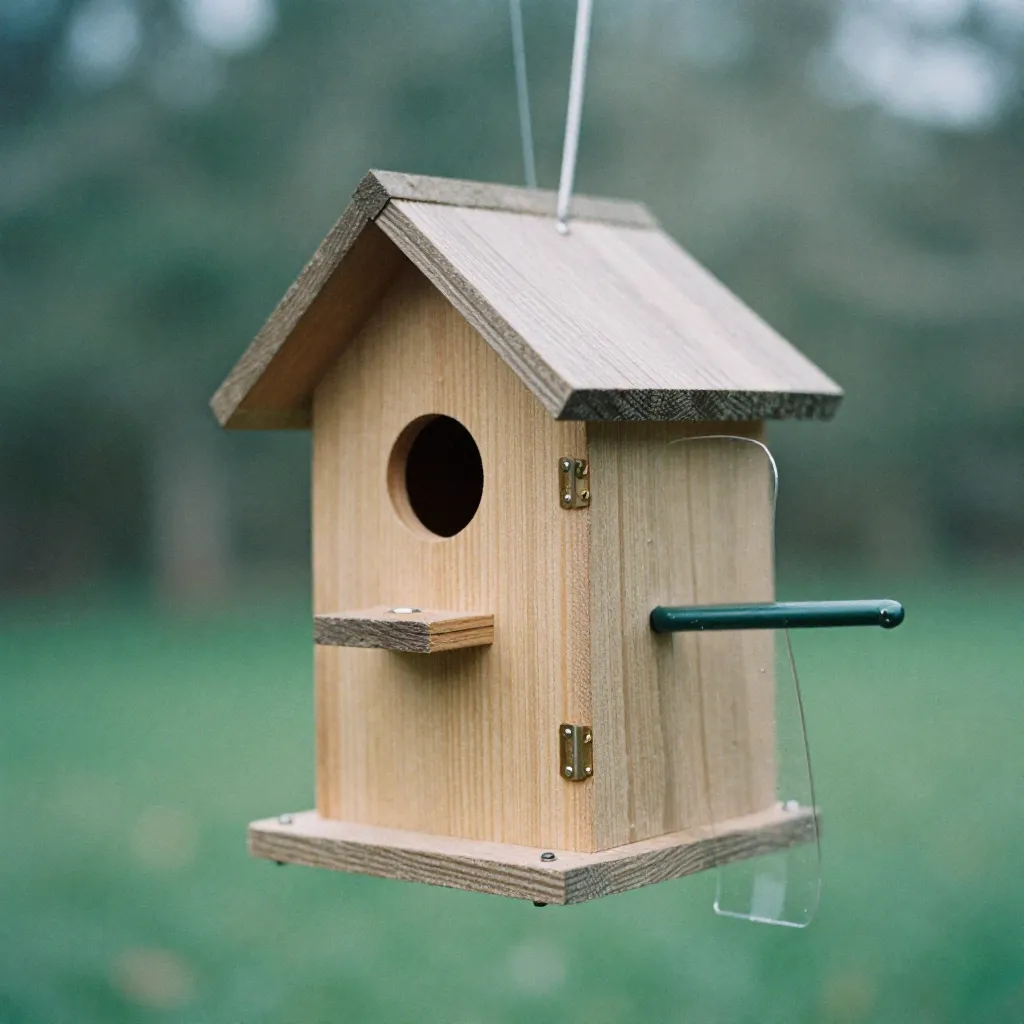
Structural Design Approach
Our methodology combines biological research with advanced material science to create functional habitats
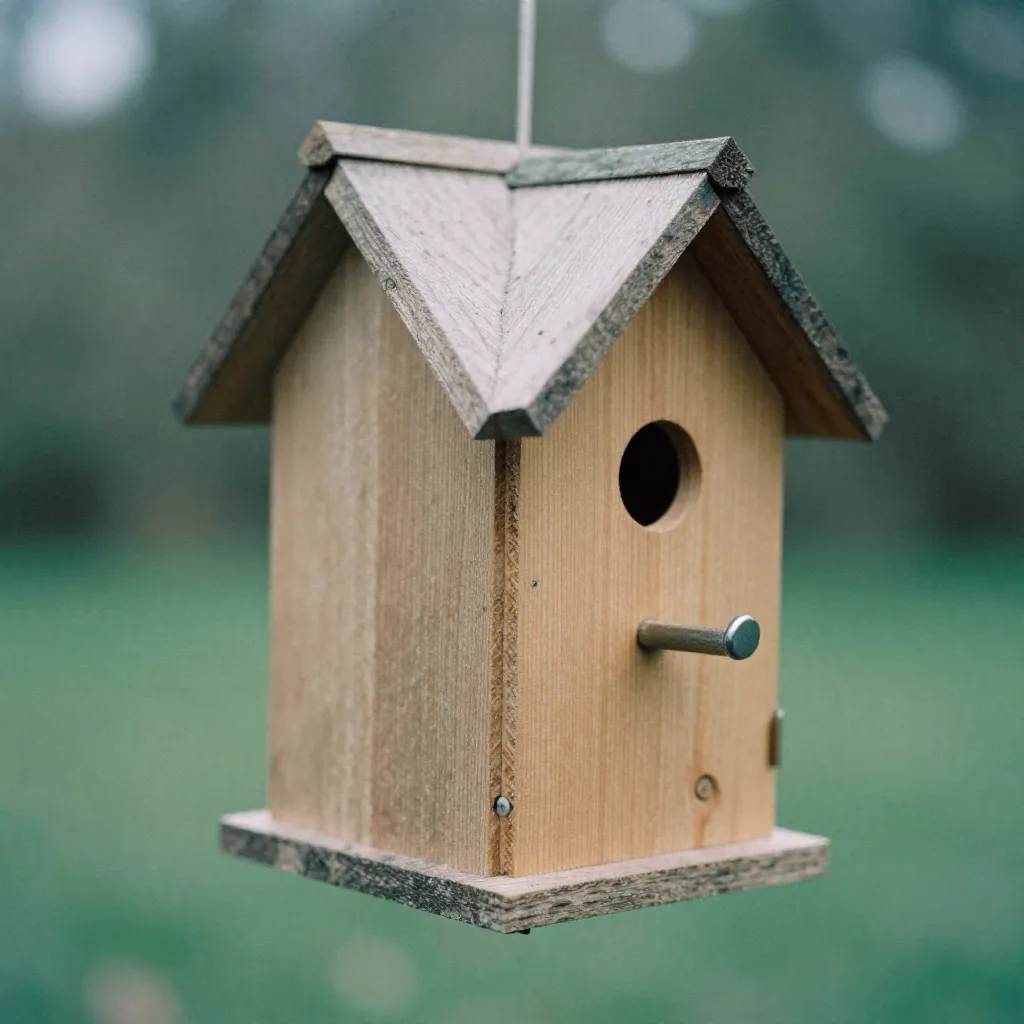
Biomimetic Principles
Each structure is developed through careful analysis of natural nesting behaviors and environmental adaptation patterns. We examine how different species interact with their surroundings and translate these observations into practical design elements.
The integration of ventilation systems, drainage mechanisms, and thermal regulation follows principles found in natural tree cavities and rock formations. This approach ensures optimal conditions for inhabitants while maintaining structural integrity.
Design Specifications
Technical considerations for habitat functionality
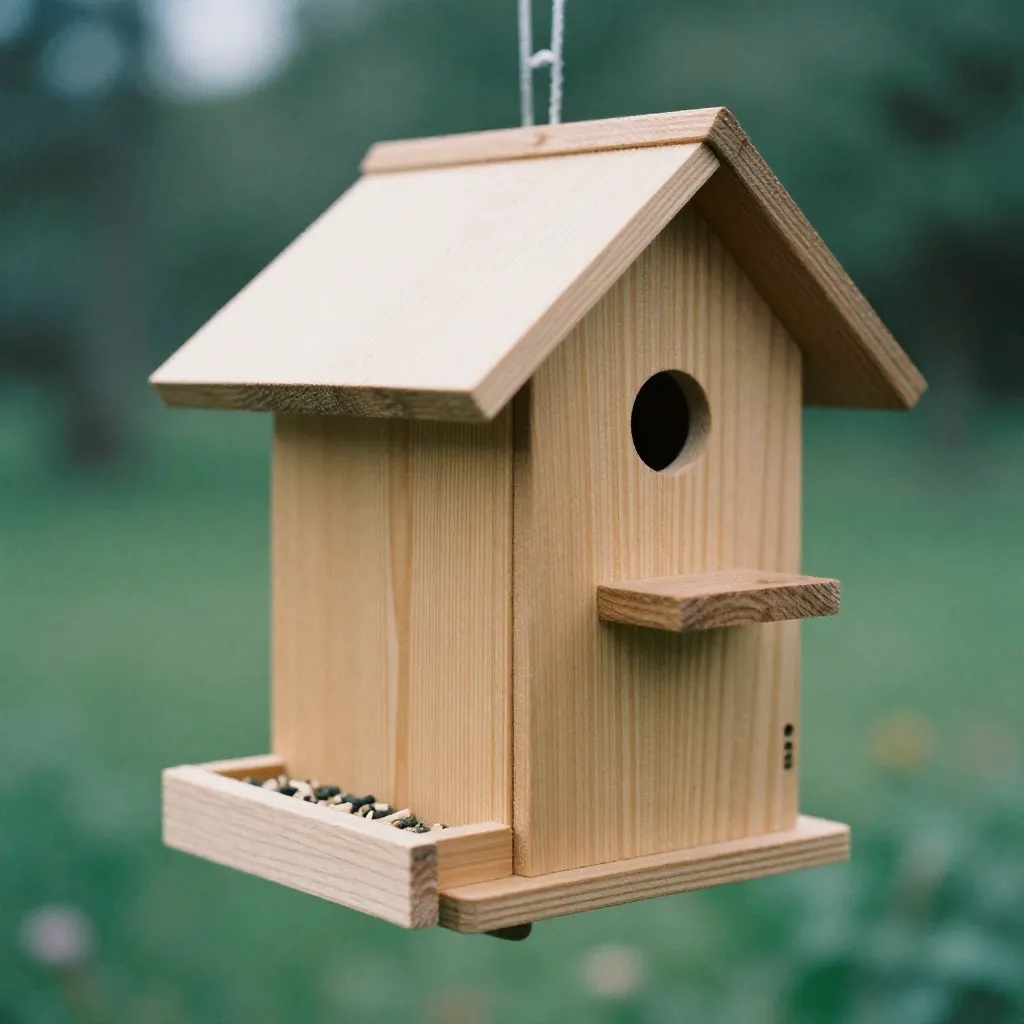
Airflow Management
Precision-engineered ventilation channels maintain optimal air circulation while preventing moisture accumulation. The system adapts to seasonal temperature variations.
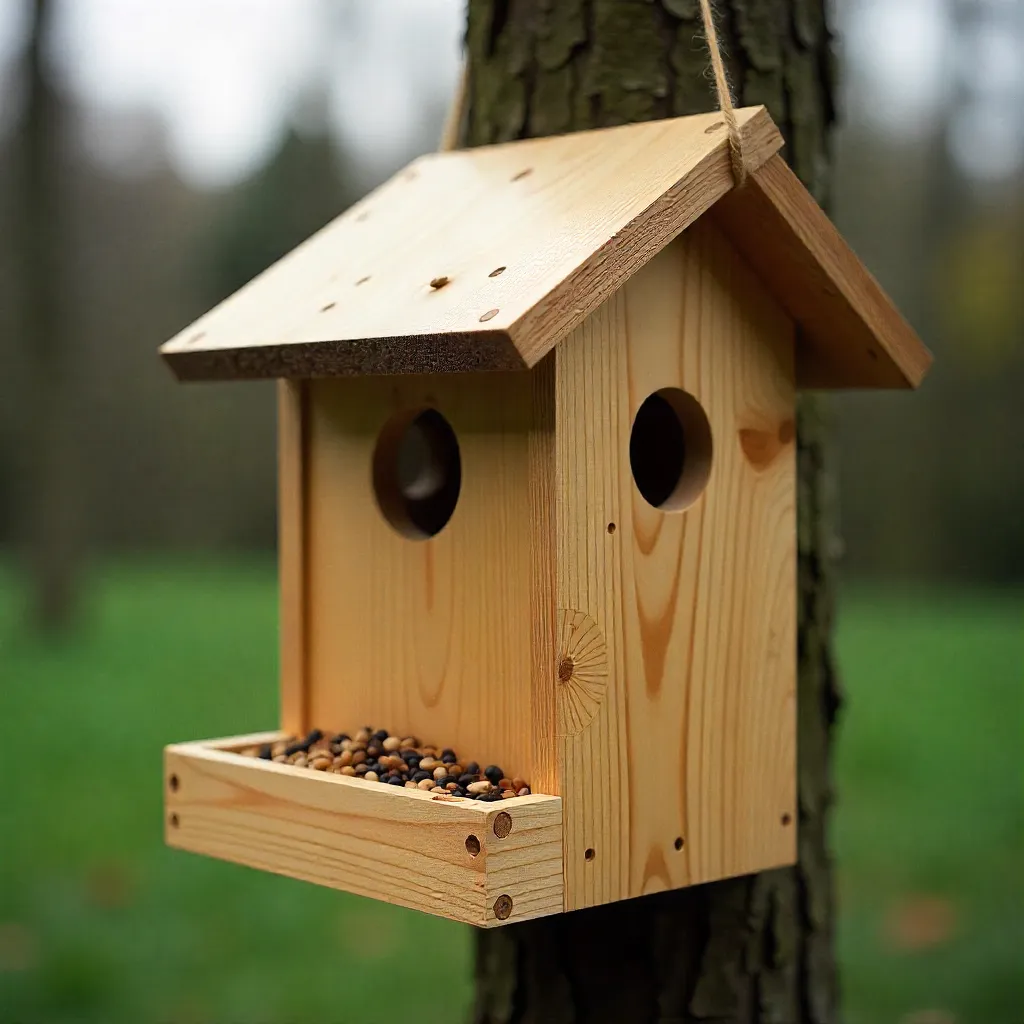
Material Selection
Sustainable materials are chosen for durability and environmental compatibility. Each component undergoes testing for weather resistance and longevity.
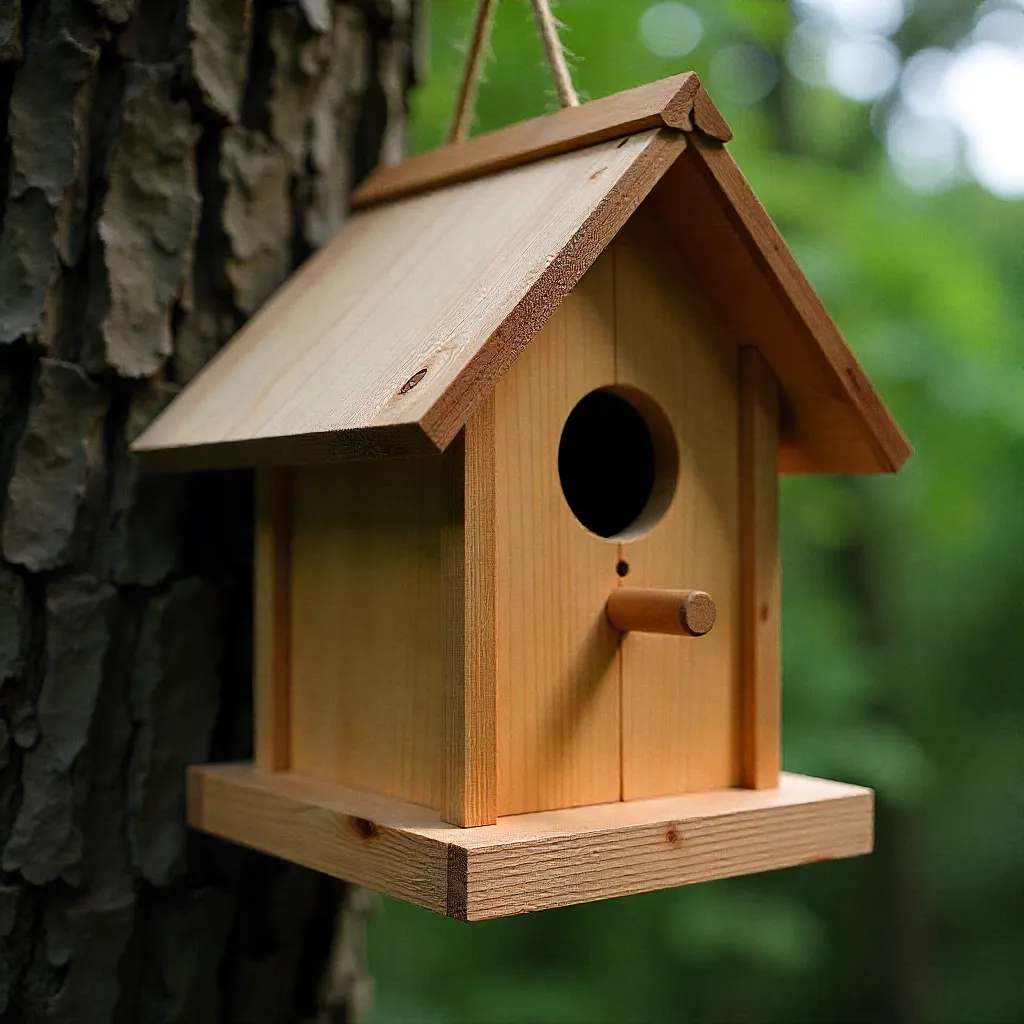
Structural Integrity
Load-bearing calculations ensure stability under various weather conditions. The design accommodates weight distribution and wind resistance requirements.
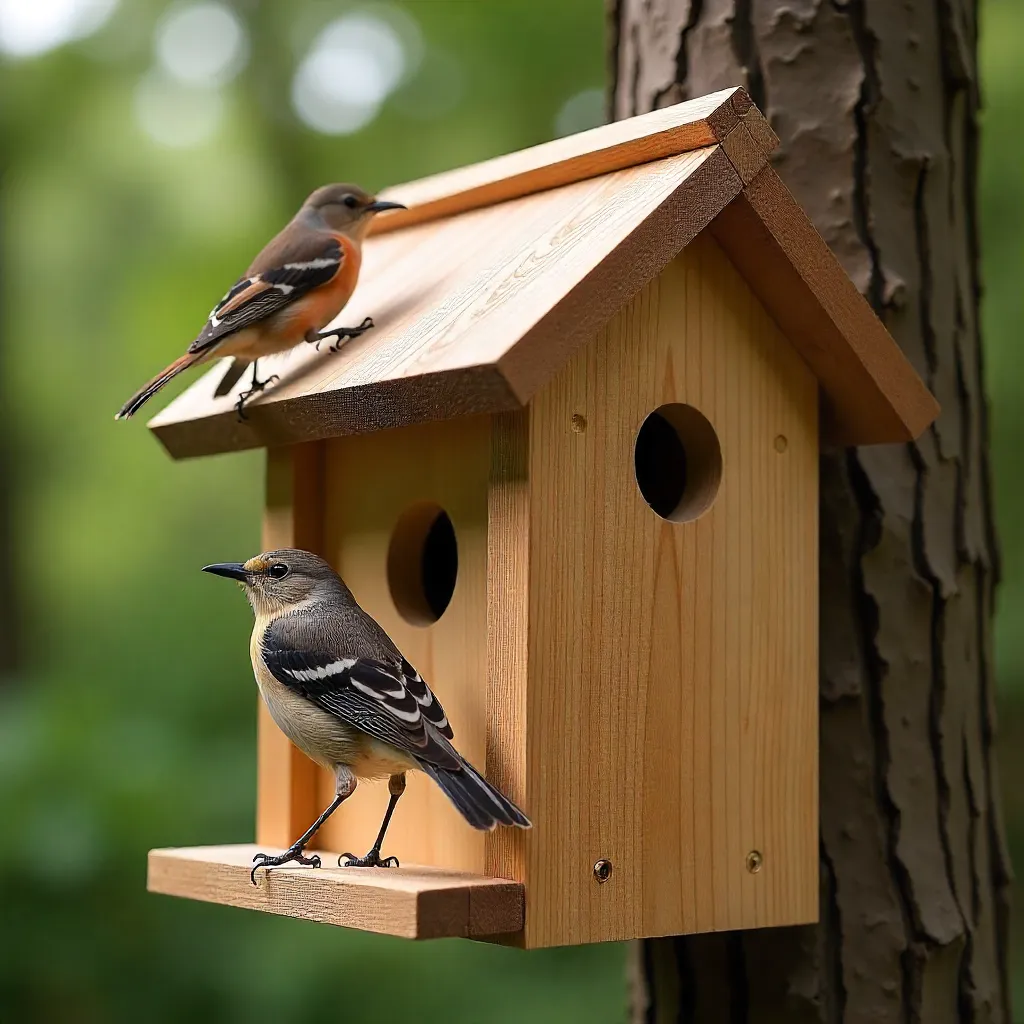
Development Process
Systematic approach to habitat creation
Research Phase
Initial research involves studying target species behaviors, nesting preferences, and environmental requirements. We analyze existing habitat data and consult with field researchers to understand specific needs.
Material testing and prototype development follow research findings. Each design iteration incorporates feedback from structural analysis and environmental simulation.
View Specifications
Monitoring Capabilities
Integrated systems for habitat observation
Environmental Sensors
Optional sensor arrays can monitor temperature, humidity, and activity patterns. Data collection supports ongoing research and habitat optimization.
Documentation Systems
Integrated observation tools allow for non-invasive monitoring of habitat usage. These systems provide valuable insights into species behavior and adaptation.
Data Analysis
Collected information contributes to understanding habitat effectiveness and supports future design improvements. Analysis tools help identify patterns and trends.
Explore Our Solutions
Learn more about our design approach and available options
Species Specifications
Detailed information about habitat requirements for different avian species. Technical documentation and design parameters.
View SpecsObservatory Systems
Integrated monitoring and observation technology. Smart shelter systems with advanced tracking capabilities.
Learn MorePlacement Guidance
Strategic placement recommendations based on environmental factors. Interactive tools for optimal positioning.
View Map