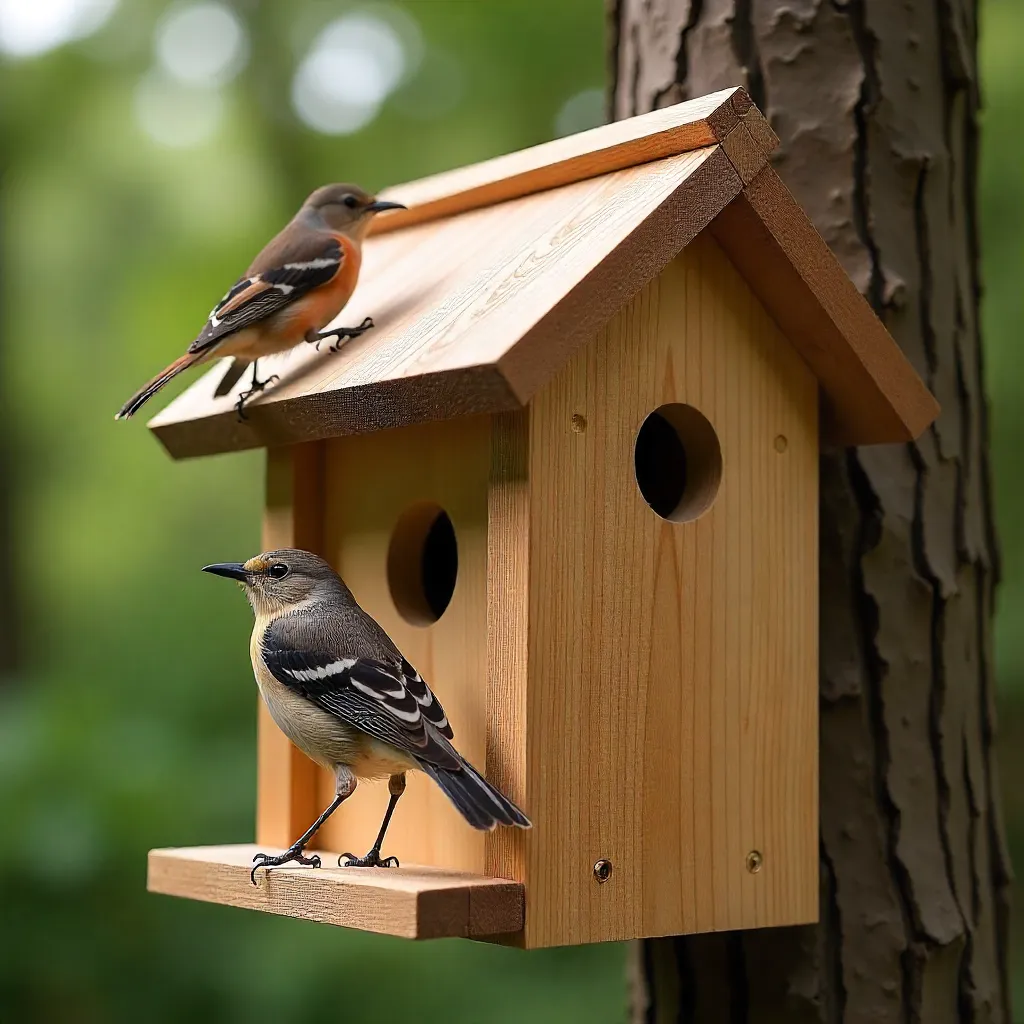
Environmental Factors
Key considerations for determining optimal habitat placement
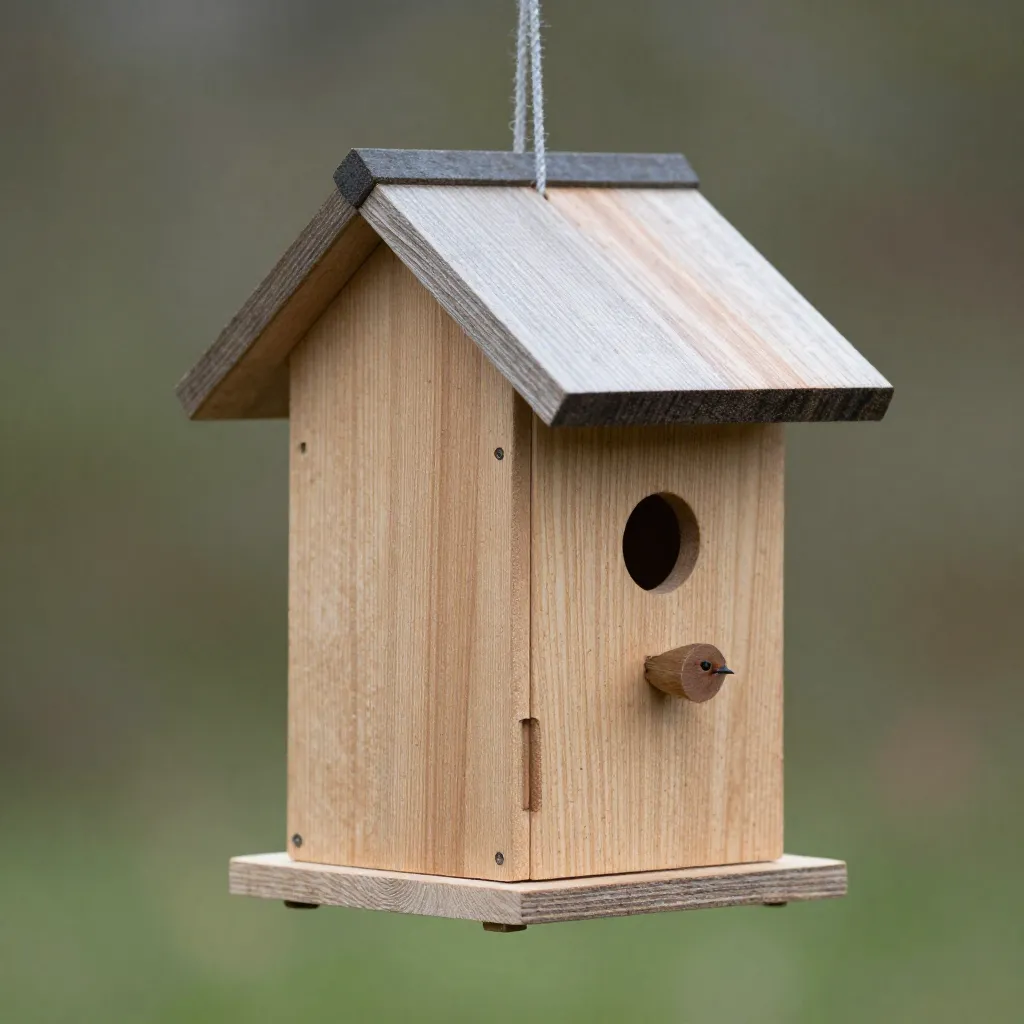
Sunlight Orientation
Structures should be positioned to avoid direct afternoon sun exposure while receiving adequate morning light. Orientation recommendations vary by geographic location and seasonal patterns.
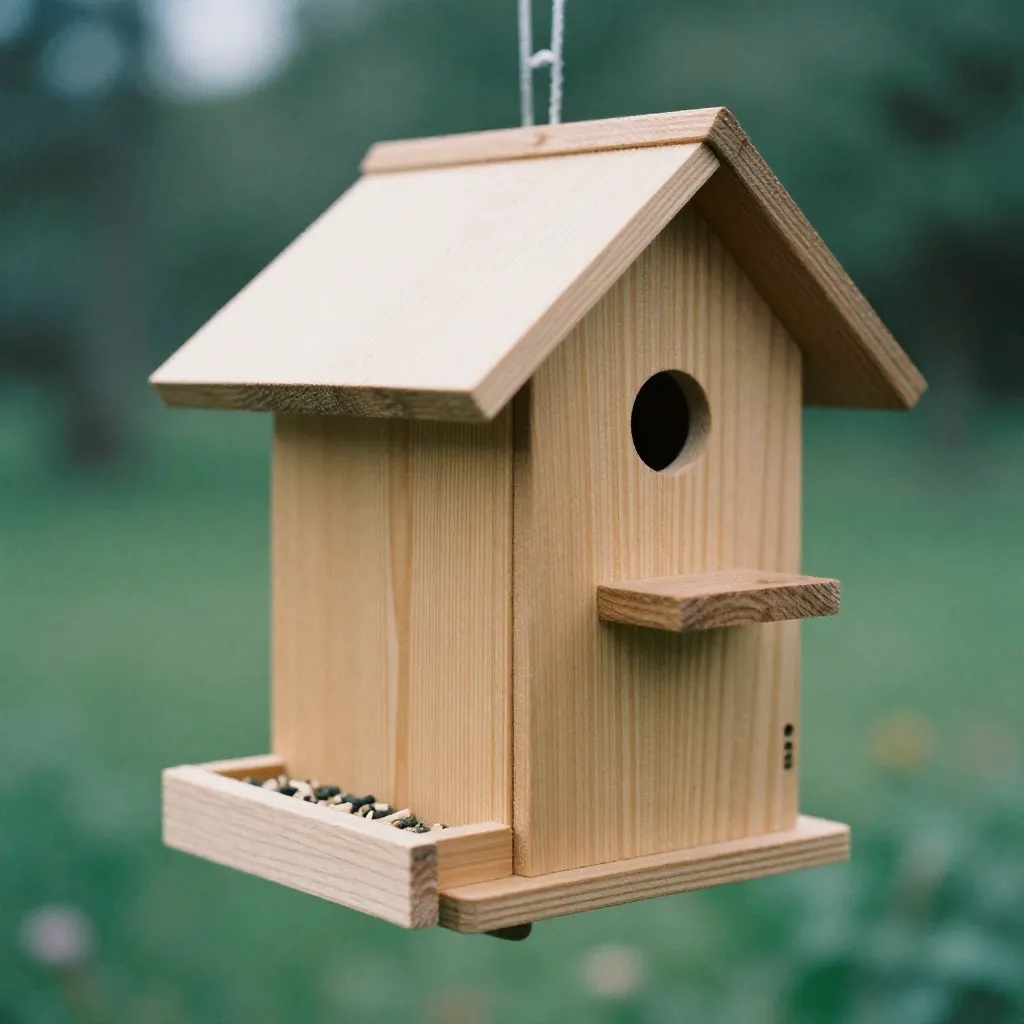
Wind Patterns
Placement should consider prevailing wind directions to minimize exposure and maintain stable temperatures. Wind protection from surrounding vegetation can improve habitat conditions.
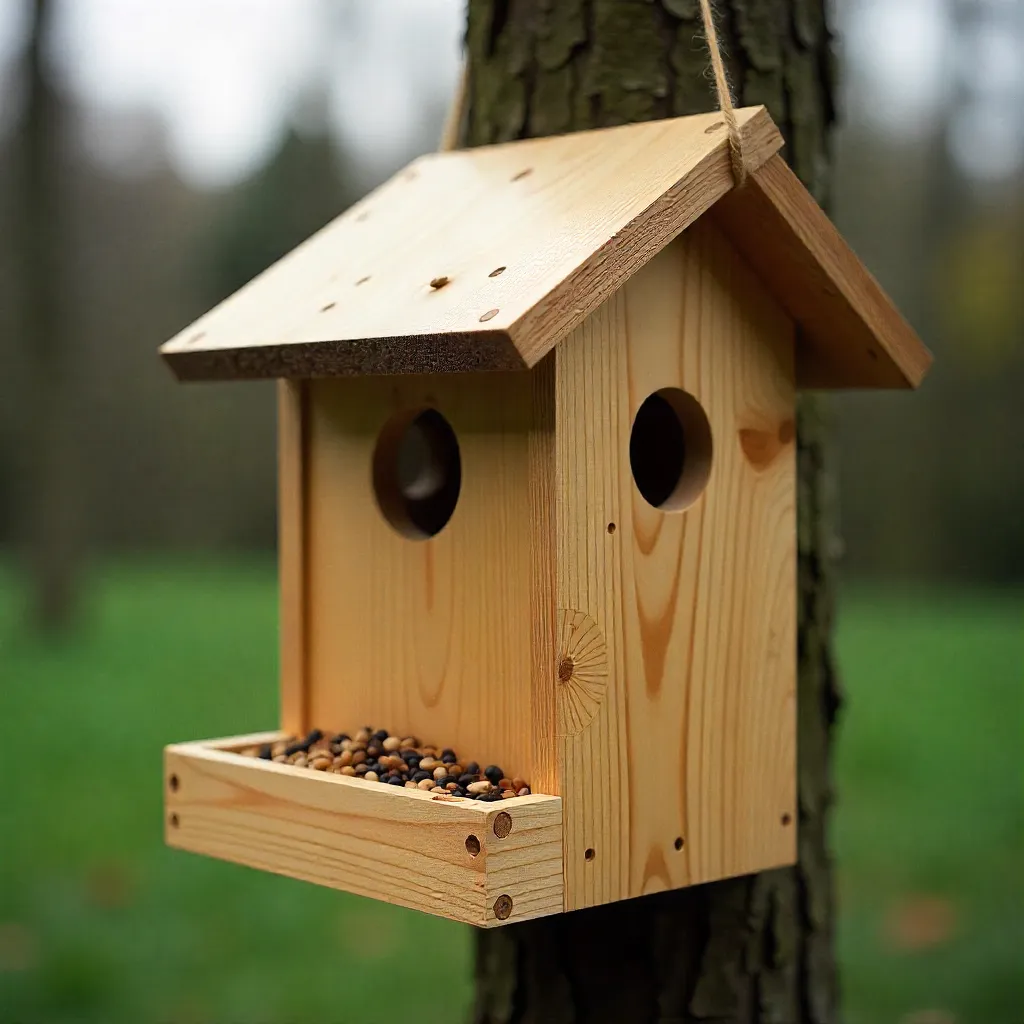
Elevation Considerations
Mounting height affects accessibility, predator protection, and microclimate conditions. Height recommendations balance these factors based on species requirements.
Placement Guidelines
Systematic approach to determining optimal installation locations
Site Assessment
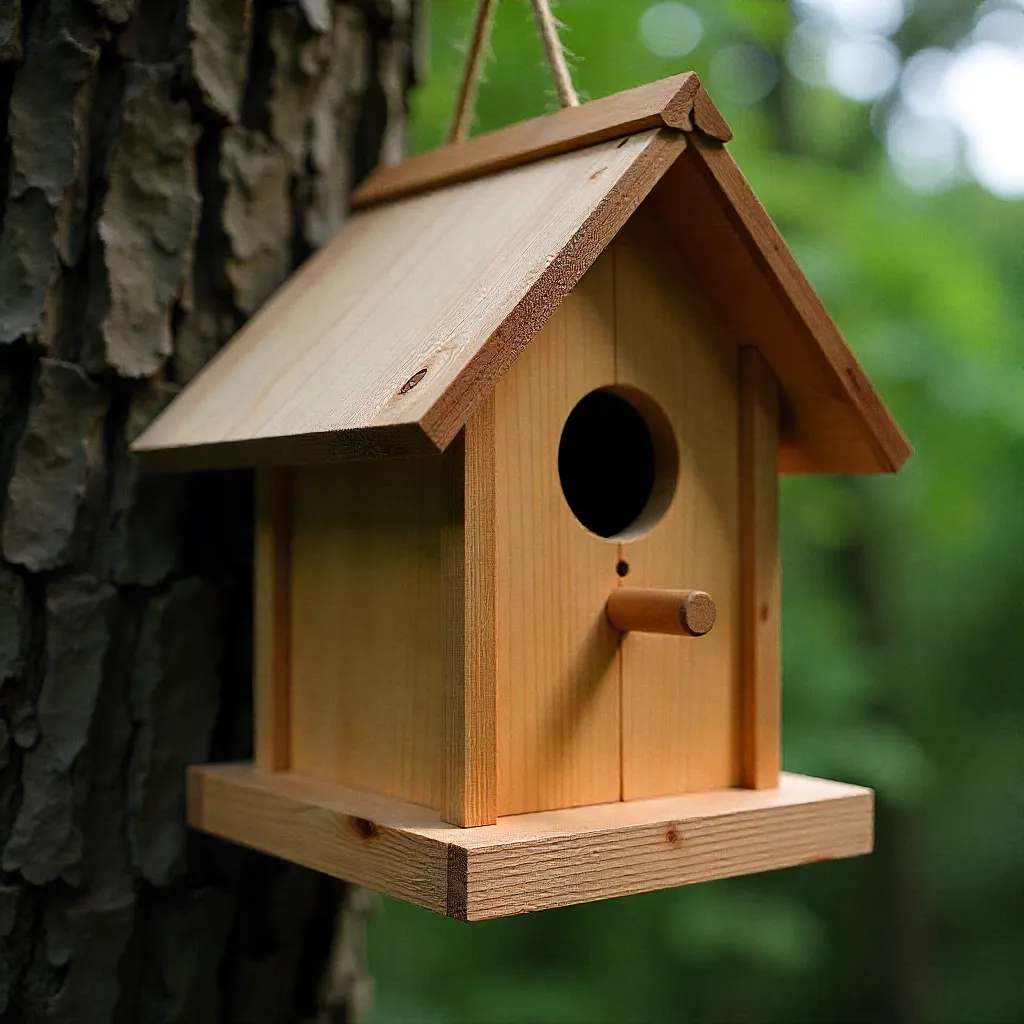
Evaluate potential locations by analyzing sunlight patterns, wind exposure, and proximity to food sources. Consider existing vegetation and its impact on microclimate conditions.
Distance from human activity and potential disturbance sources should be factored into placement decisions. Structures benefit from quiet locations with minimal traffic.
Recommended Distance: 10-50 meters from activity
Spacing Recommendations
Optimal distances between multiple habitat structures
Territory Considerations
Spacing between structures should accommodate species territorial behaviors. Minimum distances prevent competition while maximizing habitat availability.
Minimum Spacing: 15-30 meters
Resource Distribution
Placement should consider proximity to water sources and feeding areas. Balanced distribution supports multiple nesting pairs without resource competition.
Water Proximity: 50-200 meters
Maintenance Access
Locations should allow for seasonal maintenance and monitoring activities. Access paths should minimize disturbance to surrounding areas.
Access Requirements: Clear path within 5 meters
Installation Process
Step-by-step guidance for proper habitat installation
Mounting Procedures
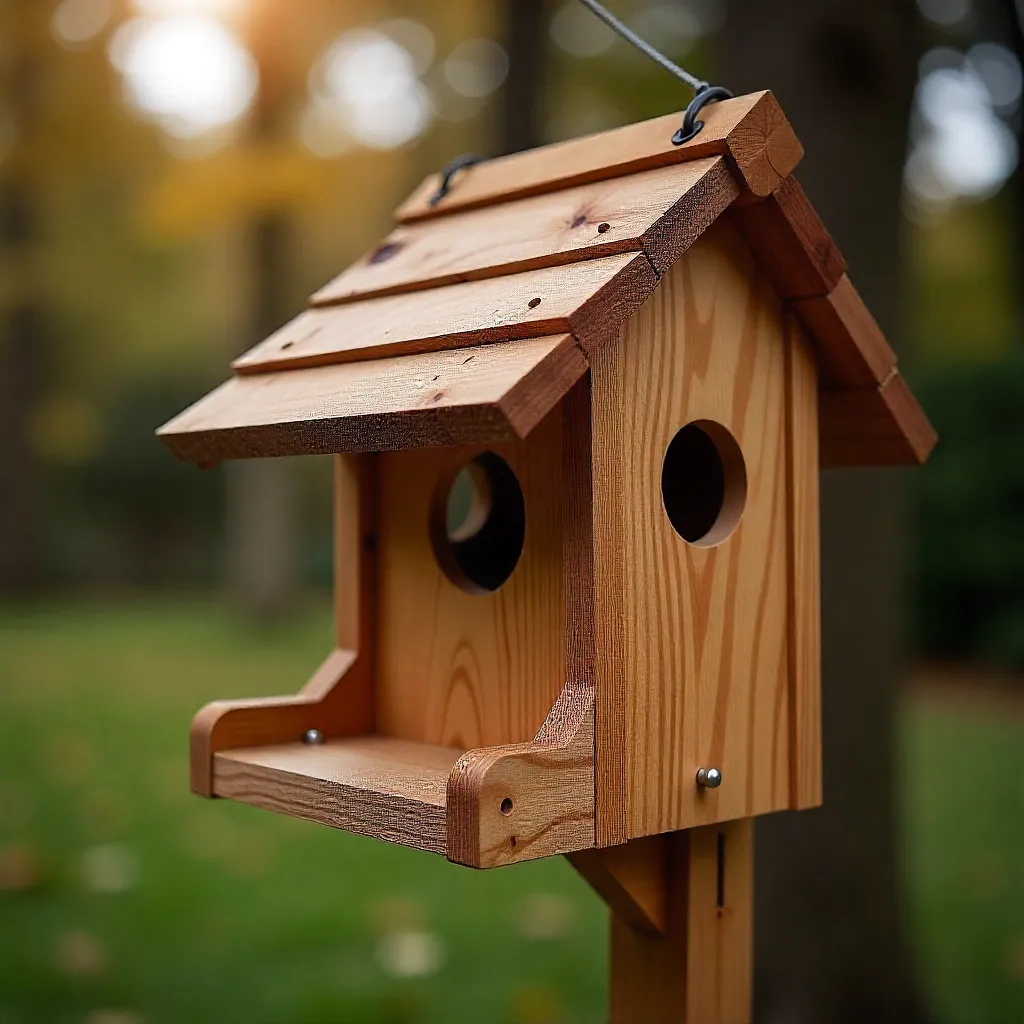
Secure mounting requires appropriate hardware and attachment methods. Structures should be firmly attached to prevent movement while allowing for future maintenance access.
Installation timing should consider seasonal patterns and species nesting cycles. Early installation allows structures to be discovered and evaluated before nesting season begins.
Consultation Available